
– Written by Peyton Andino –
There’s a new asian front on its way that’s barrelling through pop culture, and it pairs basketball jerseys with gold cross chains for their karaoke date.
Hidden beneath Spanish, Japanese, and American colonization sits a wiped-out Indigenous population that everyone from the country claims to be, despite their appearance lightened by lotions with first names from saints and last names that call back to Spanish vacation destinations.
The majority of what is considered “asian” in pop culture stems from knowledge of East Asia. Korea’s Hallyu wave continues to pump out new groups with differing concepts already tailored to perfection; Japan exports manga, anime, pop groups and their growing rock scenes; and China’s gaming industry is booming with a consistent stream of content being pumped to the masses. The stereotypes of lightened skin, perfectly pointed noses, and unpocked faces permeate throughout the cultural exports of the East. They ring true towards the expectations caused by the colourism that is buried deep throughout the continent.
Coming up close behind them, however, is their golden-skinned cousin, with jet-black excessively permed hair hidden by a slightly tasteless braid-up. You can hear them from a mile away, blasting R&B from their secondhand car that they bought with their first girlfriend, whom they’ll marry by the age of 25.
They have an undeniable charisma about them, something sowed within them from the expectations of their parents every time they were pushed to the front of the rented-out community centre. All eyes from four generations of their extended family (who might have been Nanay’s best friend or Lola’s old coworker) were consistently pointed towards the two things that mattered: talent and beauty. Through debuts that rivalled weddings and picnics larger than a company retreat, they’ve been unfailingly thrust into the spotlight and will not let up until your attention is on them.
This phenomenon is exemplified by the captivating Bruno Mars, whose Filipino identity was the pride of every Lola everywhere. Through Facebook clips blasted from her couch and songs played through her tinny car radio station in the family Ford, Mars’ ability to capture the eyes and ears of every pop music enthusiast was the end goal of any flamboyant young Pinoy. The oddly significant hats of his early career up until 24k Magic and the over-the-top outfits he donned while dancing to the backing vocals of his “Hooligans” painted a perfect picture of what the culture has raised him and countless others to be: the perfect performer.
Even though I knew what he was, I felt like an essential part of his identity was missing, and that was the boundless squabble of Tagalog.
Overly stylized Bruno Mars belts alongside stars to make up for money lost to countless Vegas casinos, the beautiful and talented Olivia Rodrigo sings about adolescence, the under-credited Chad Hugo sues Pharell Williams over the name of a dead band, and the lapse in judgment from apl.de.ap empowers him to release music of varying degrees of quality alongside the Black Eyed Peas.
The most overlooked Pinoy artists fall under the term OPM. why haven’t we heard any dialect of language from the Philippines rise to the notoriety that other asian languages have?
OPM stands for original pilipino music, describing any ballad, rap, or track made by Filipino artists within the Philippines. It is mainly recorded in the country’s official language of Tagalog, and it describes popular music from the 70s and onwards. Each OPM song stems from the fire that was lit in the young artists by the incessant need for attention caused by a culture built on favouritism and compliments.
But they’re still not as big as they should be.
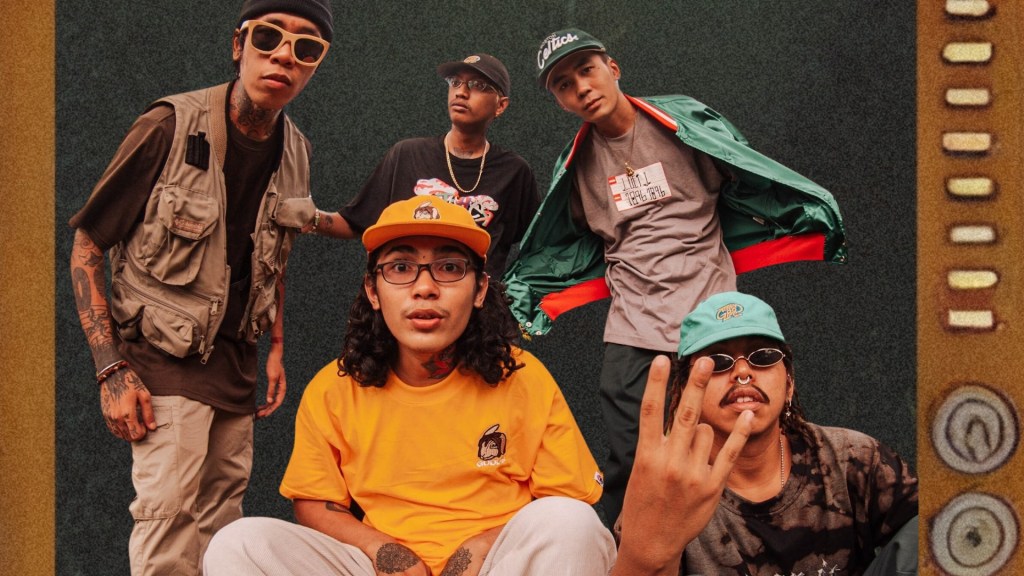
The release of Pajama Party (Cypher1) was monumental to the five-man rap group 1096 Gang. Armed with a classic hip-hop beat and a casual flow, their ability to weave the unique inflexions that Tagalog is armed with into ear-pleasing rhymes. Their love of their craft is obviously displayed through this strong cypher from Mandaluyong.
Sunkissed Lola’s Pasilyo is a passionate promise to the person you love, to swear that you will be waiting for them at the end of the aisle after becoming so essential to the other’s life that you could only want to further your love into something greater. Its guitar gives you a melancholy pang at the back of your throat that hurts with each plucked cord and you’re apprised that whoever is singing this has fallen further into love than they even perceived as possible.
A unique blend of rock, funk, and OPM set Lola Amour apart from the rest, with Raining in Manila being a personal favourite of mine. The trumpets that back the soft vocals from frontman Pio Dumayas complement the piano perfectly to create one of the most pleasing harmonies I’ve heard in years. Having never gone to Manila and only experiencing it through the photos of friends and family that are sent to me through collages and collections, I can paint an exact vision of the city that sits in my dreams, soundtracked to this.
So, why hasn’t OPM hit the main stage, and why hasn’t Tagalog become commercialised like other asian languages? These songs and artists are big. Each of the songs mentioned has more than one million streams on Spotify alongside a small stint of virality, and more listeners than a lot of other groups with cult followings. What’s different?
Colour, perhaps?
There is a notable difference between Filipino artists and the other Asian artists that were previously mentioned, and that is the colour of their skin.
All across the Philippines, skin-lightening creams and filters that make you fifty shades lighter are plastered across billboards and every type of advertisement that’d be shoved in your face. Models and actors are fair and dainty, with all orientalist stereotypes dripping off their person. Despite what the media wants to push, this is not the reality.
Filipinos are tanned.
We are warmed by the sun that illuminates the soft sand on our world-class beaches. There is resilience in our veins that came from the years of colonisation remembered through the last names of our ancestors, and the first names plucked from the pages of the Psalms. It is incomprehensible how much talent resides in the average Filipino in comparison to how many of them are propelled into the spotlight.
We’re due for a culture flip.
There is something to be proud of in simply being Filipino. You are kissed by the sky’s biggest light and that left you with a colour some people envy to no end, your food is deliciously greasy and hits your tastebuds in a way completely foreign to most, and this all occurs while people sing your praises as some of the most hardworking and loving people.
I recommend to anyone who wants to immerse themselves in OPM to do the simple act of listening. The Filipino music industry is an entirely untapped market that has been largely forgotten about in the face of its mainstream and trendy cousins. The language barrier has never stopped people from consuming alternative content. Do not let it stop you from the raw emotion you’ll hear from the crooning of that Filipino lover-type waiting for you to tune in.
 SOUTHPORT MAGAZINE
Leave a comment